About Luke Easter
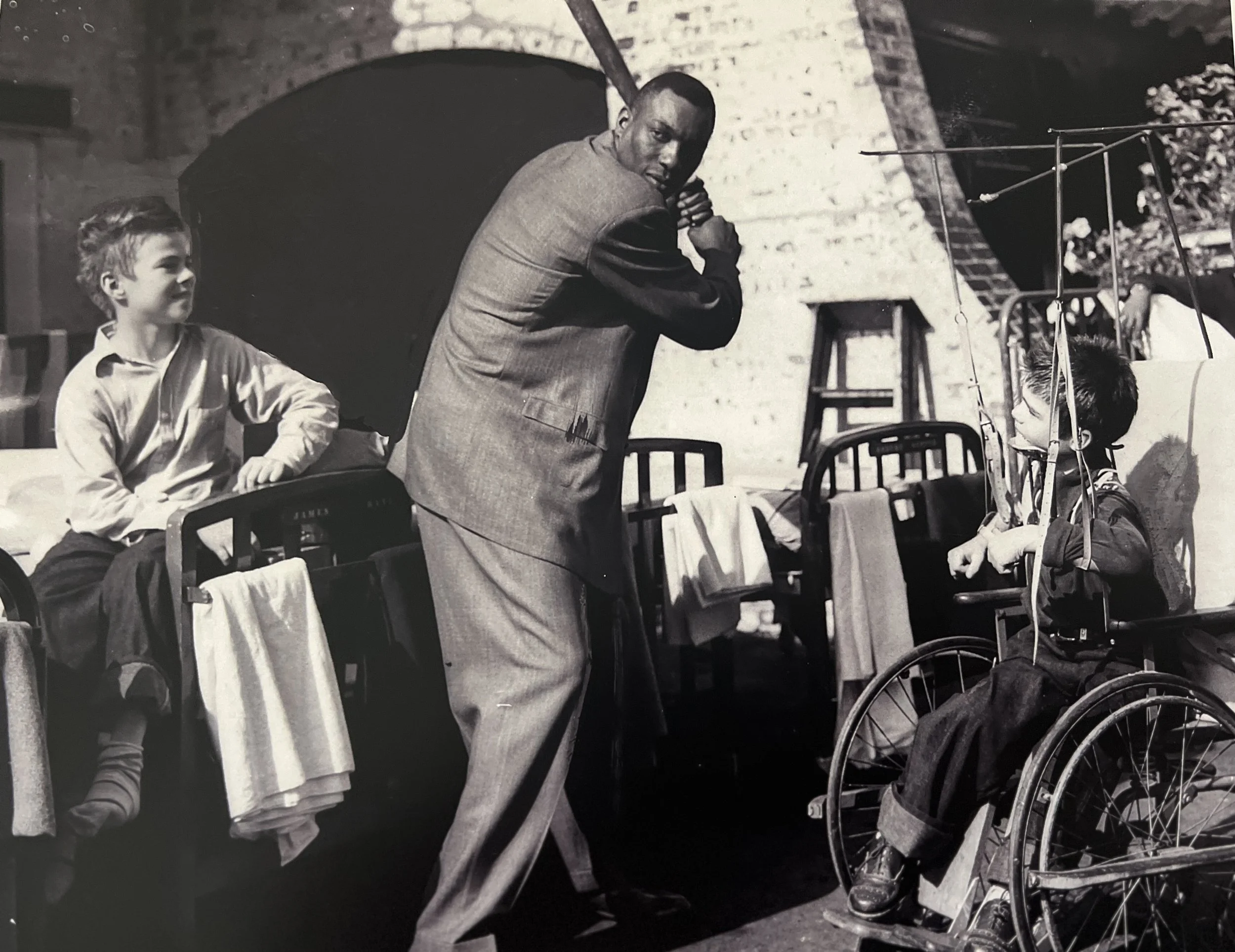
Negro Leagues and Legendary Power
Easter first became a star in the Negro Leagues, especially with the Homestead Grays in the late 1940s where he established himself as one of the most feared sluggers in baseball.
One of his most famous feats came at the Polo Grounds, where he reportedly launched a towering home run estimated over 500 feet, past the distant right-field roof façade—an extraordinary blast that became part of baseball folklore and reinforced his reputation as one of the longest hitters of his era.
“Luscious” Luke Easter (September 4, 1915 – March 29, 1979) was an American professional baseball player celebrated for his prodigious power at the plate and his deep commitment to the Cleveland community. Born in Jonestown, Mississippi, Easter worked physically demanding jobs, including in steel mills, before rising to prominence in professional baseball. His journey to the major leagues was unusual—he debuted at age 34—making his accomplishments all the more remarkable.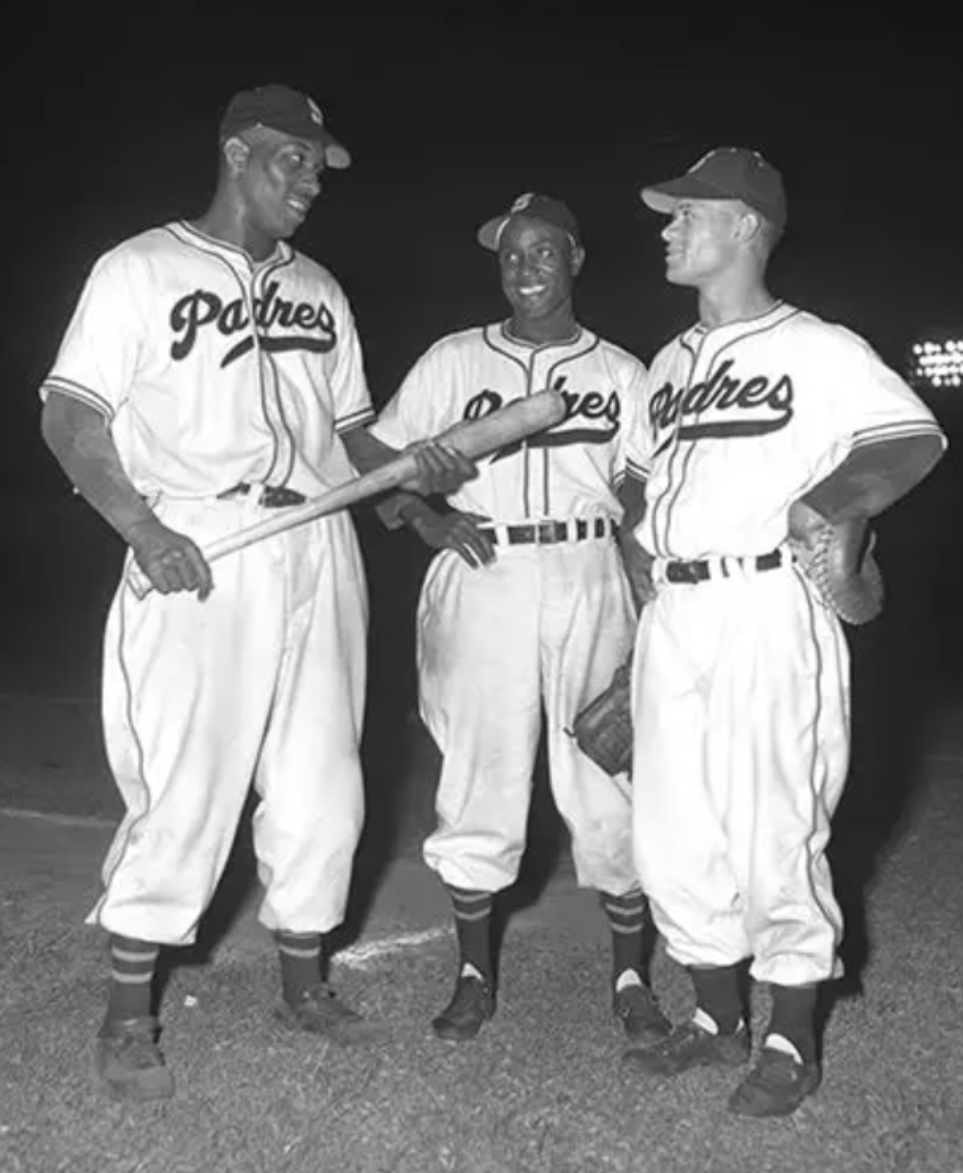
Major League Career and Record-Setting Blast
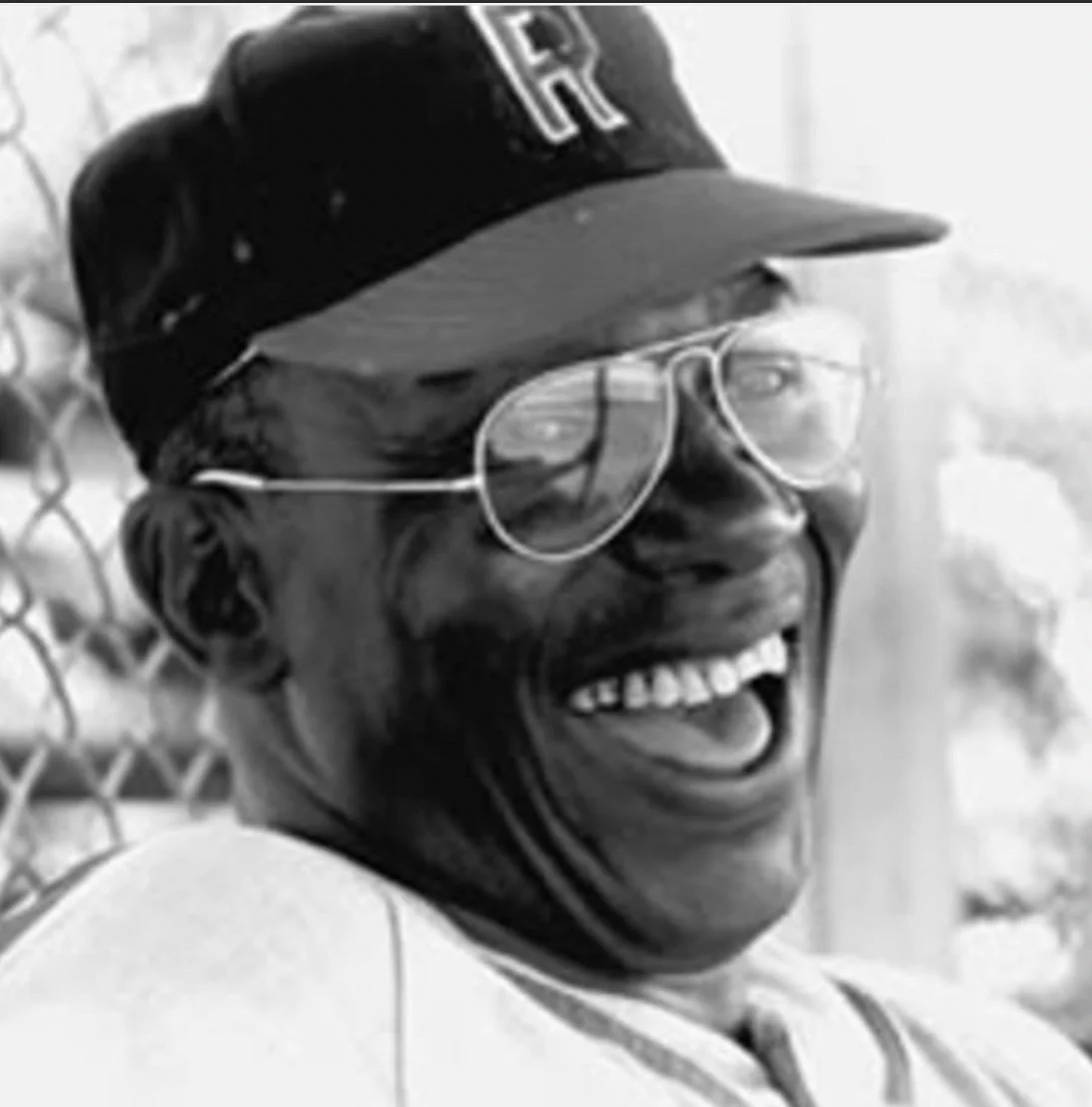
After integration, Easter signed with the Cleveland Indians and made his Major League Baseball debut in 1949. In 1950, he hit 28 home runs and drove in 107 runs, finishing second in American League Rookie of the Year voting. Over six MLB seasons (1949–1954), all with Cleveland, he totaled 93 home runs and 340 RBIs.
On July 4, 1949, at Cleveland Municipal Stadium, Easter hit one of the longest home runs ever recorded in the ballpark. The drive was measured at approximately 477 feet, tying or surpassing distance marks previously set there and solidifying his reputation in Cleveland as a historic power hitter. The blast remains one of the most celebrated home runs in the stadium’s history and a defining moment of his major league career.
After leaving the majors, Easter continued playing in the minor leagues well into his 40s, thrilling fans nationwide with his strength and charisma.
| Years | Team | League / Level | Key Stats | Achievements & Highlights |
|---|---|---|---|---|
| pre-1946 | St. Louis Titanium Giants | Semi-pro / Independent | — | Early power reputation; industrial/semi-pro ball |
| 1946 | Cincinnati Crescents / Seattle Steelheads | Barnstorming | — | Recognized as elite power hitter; led to Negro League opportunity |
| 1947 | Homestead Grays | Negro National League | ~.311 AVG; ~10 HR (league) | Immediate impact slugger |
| 1948 | Homestead Grays | Negro National League | .363 AVG; 13 HR; 62 RBI | NNL RBI leader; East-West All-Star; Negro League World Series champion |
| 1948–49 | Mayagüez | Puerto Rico Winter League | .402 AVG; 14+ HR | League MVP; winter-league champion |
| 1949 | San Diego Padres | PCL (AAA) | .363 AVG; 25 HR; 92 RBI (80 G) | Forced MLB promotion |
| 1949–54 | Cleveland Indians | MLB (AL) | .274 AVG; 93 HR; 340 RBI (career) | One of AL’s top power hitters |
| 1955 | Charleston Senators | American Association (AAA) | .283 AVG; 30 HR; 102 RBI | Veteran power anchor |
| 1956–59 | Buffalo Bisons | International League (AAA) | 35–40 HR seasons peak | League HR leader; franchise icon |
| 1959–64 | Rochester Red Wings | International League (AAA) | 10–22 HR per season | Productive into early 40s |